Surge in Electric Vehicle Financing as Australians Seek Relief from Fuel Costs
Major Banks Report Increased EV Loan Applications Amid Fuel Price Hikes
0
The information on this website is general in nature and does not take into account your objectives, financial situation, or needs. Consider seeking personal advice from a licensed adviser before acting on any information.
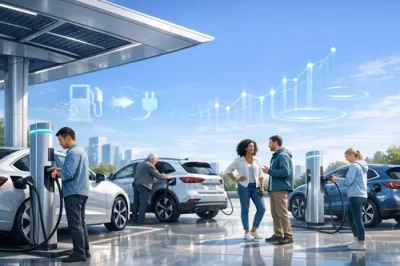
As fuel prices continue to escalate, Australians are increasingly turning to electric vehicles (EVs) as a cost-effective alternative, leading to a notable surge in EV financing.
Major banks, including National Australia Bank (NAB) and Commonwealth Bank of Australia (CommBank), have reported significant increases in EV loan applications, reflecting a growing consumer shift towards sustainable transportation.
NAB has observed a 100% increase in EV loans since the beginning of March, with business-related EV inquiries rising by 88%. This trend indicates that both individual consumers and businesses are actively seeking ways to mitigate the impact of rising fuel costs by investing in electric vehicles.
Similarly, CommBank has recorded a 161% lift in weekly loans for new battery electric vehicles in March compared to February. The bank also noted a 136% increase in EV purchase inquiries through its car-buying assistance service, Cars for CommBank. This surge underscores the heightened interest in EVs as a viable solution to the current fuel price crisis.
Shane Ditcham, NAB's Executive for Business Banking, highlighted the practical approach of Australian businesses in adapting to changing conditions. He noted that many are exploring EVs and electrification as strategies to manage running costs and future-proof their operations, particularly amid ongoing fuel price volatility.
Despite the overall increase in EV financing, some vehicle finance brokers report mixed conditions on the ground. Factors such as high interest rates and weaker business conditions are influencing purchasing decisions, leading to variability in demand across different sectors.
For consumers considering the switch to electric vehicles, it's essential to assess the total cost of ownership, including financing options, potential fuel savings, and available government incentives. Consulting with financial advisors and exploring various loan products can help in making informed decisions that align with individual financial circumstances.
The current surge in EV financing reflects a broader trend towards sustainable transportation solutions in Australia. As the market continues to evolve, consumers and businesses alike are encouraged to stay informed about developments in EV technology, infrastructure, and financing options to make the most of this transition.
Please Note: We do not endorse any specific products or companies. Some content is sourced from third parties, including press releases, and may not be independently verified for accuracy or completeness.
Australia’s car market is moving further away from the shortage-driven conditions that shaped buying decisions over recent years. As more brands work through stronger supply and compete for orders, buyers are seeing a wider mix of drive-away discounts, factory bonuses, demonstrator offers and promotional finance campaigns. That can be helpful for households planning a purchase, but it also makes the finance decision more important rather than less. - read more
Fresh spring comparison updates suggest Australian car finance remains competitive, but not evenly so. While some headline secured car loan rates still look attractive for well-qualified borrowers, the gap between the best advertised offers and the rates many buyers may actually receive is becoming more important. For households planning a vehicle purchase, the key message is simple: the rate on the first screen is only the beginning of the finance conversation. - read more
The latest read on Australian vehicle lending suggests car buyers have not walked away from the market, even with household budgets still under pressure. As more cars become available and some dealers compete harder for orders, finance demand is being supported by buyers who see an opportunity to secure a vehicle without the same delays or mark-ups seen during the tightest supply years. - read more
Australian car buyers may find the finance process becoming more detailed as lenders place greater emphasis on household cash flow, existing debts and repayment buffers. While headline interest rates remain an important part of the decision, the bigger issue for many applicants is now whether their budget can comfortably support a new car commitment after everyday costs are included. - read more
When you're in the market for a new or used car, understanding car financing options is crucial. In Australia, there are several ways to finance your vehicle, each with its own advantages and considerations. Whether you're considering dealership financing, a car loan from a financial institution, or even leasing, knowing your options can save you in the long run. - read more
Sustainability is an increasingly important factor in the automotive industry, as environmental awareness grows among consumers and manufacturers alike. Choosing a vehicle isn’t just about speed or comfort anymore; it's also about how your choice impacts the planet. With the rise of climate change concerns, more people are looking at sustainable options when purchasing their next car. - read more
Car loan repayments are shaped by the amount borrowed, interest rate, loan term, fees, repayment frequency and any balloon payment. Understanding these factors can help Australians compare car finance options more clearly before applying. - read more
When it comes to buying a car, understanding your financing options is crucial. In Australia, car financing can be complex, but it generally falls into a few categories. These include dealer finance, leasing, personal loans, and novated leases. Each option has its benefits and potential pitfalls, so it's essential to understand what's available and how each might suit your particular needs. - read more
Knowledgebase
Inflation: The rate at which the general level of prices for goods and services rises, eroding purchasing power.



No comments yet. Be the first to share your thoughts.