Toyota Expands Electric Lineup with Hilux BEV and RAV4 PHEV in Australia
New Electrified Models Strengthen Toyota's Commitment to Sustainable Mobility
1
The information on this website is general in nature and does not take into account your objectives, financial situation, or needs. Consider seeking personal advice from a licensed adviser before acting on any information.
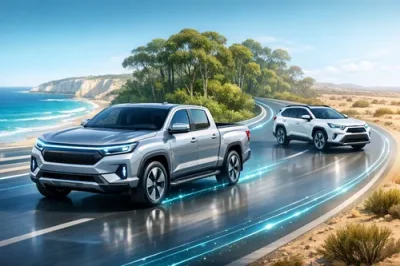
In May 2026, Toyota Australia expanded its electrified vehicle lineup by introducing the Hilux Battery Electric Vehicle (BEV) and the RAV4 Plug-in Hybrid Electric Vehicle (PHEV) to the local market.
These additions reflect Toyota's commitment to providing diverse low-carbon solutions that cater to the varying needs of Australian consumers.
The Hilux BEV marks Toyota's first-ever battery-electric light-commercial vehicle in Australia. Designed to meet the demands of both urban and rural users, the Hilux BEV combines the durability and reliability synonymous with the Hilux nameplate with the environmental benefits of electric propulsion. This model is expected to appeal to businesses and individuals seeking a robust vehicle with lower operating costs and reduced emissions.
Simultaneously, the RAV4 PHEV offers consumers a versatile option that blends the benefits of electric driving with the flexibility of a petrol engine. This plug-in hybrid variant of Australia's best-selling SUV provides an extended electric-only driving range, making it suitable for daily commutes and longer journeys alike. Deliveries for the RAV4 PHEV are set to commence in the third quarter of 2026.
Toyota's multi-pathway approach to decarbonisation is evident in these new offerings. By providing a range of electrified vehicles, including hybrids, plug-in hybrids, and battery-electric models, Toyota aims to meet the diverse preferences and requirements of Australian drivers. This strategy not only supports the transition to sustainable transportation but also ensures that consumers have access to vehicles that align with their lifestyles and driving habits.
As the automotive industry continues to evolve, Toyota's introduction of the Hilux BEV and RAV4 PHEV underscores the company's proactive stance in addressing environmental concerns and adapting to changing market dynamics. Prospective buyers are encouraged to explore these new models and consider how they fit into the broader context of sustainable mobility in Australia.
Please Note: We do not endorse any specific products or companies. Some content is sourced from third parties, including press releases, and may not be independently verified for accuracy or completeness.
Australia’s car market is moving further away from the shortage-driven conditions that shaped buying decisions over recent years. As more brands work through stronger supply and compete for orders, buyers are seeing a wider mix of drive-away discounts, factory bonuses, demonstrator offers and promotional finance campaigns. That can be helpful for households planning a purchase, but it also makes the finance decision more important rather than less. - read more
Fresh spring comparison updates suggest Australian car finance remains competitive, but not evenly so. While some headline secured car loan rates still look attractive for well-qualified borrowers, the gap between the best advertised offers and the rates many buyers may actually receive is becoming more important. For households planning a vehicle purchase, the key message is simple: the rate on the first screen is only the beginning of the finance conversation. - read more
The latest read on Australian vehicle lending suggests car buyers have not walked away from the market, even with household budgets still under pressure. As more cars become available and some dealers compete harder for orders, finance demand is being supported by buyers who see an opportunity to secure a vehicle without the same delays or mark-ups seen during the tightest supply years. - read more
Australian car buyers may find the finance process becoming more detailed as lenders place greater emphasis on household cash flow, existing debts and repayment buffers. While headline interest rates remain an important part of the decision, the bigger issue for many applicants is now whether their budget can comfortably support a new car commitment after everyday costs are included. - read more
When you're in the market for a new or used car, understanding car financing options is crucial. In Australia, there are several ways to finance your vehicle, each with its own advantages and considerations. Whether you're considering dealership financing, a car loan from a financial institution, or even leasing, knowing your options can save you in the long run. - read more
The fuel situation in Australia has been a hot topic recently, with fluctuating prices and increasing environmental concerns capturing the attention of many. The country's reliance on both domestic and imported fuels, alongside global market influences, plays a significant role in the availability and cost of fuel. As Australians navigate through these changes, understanding the current scenario becomes ever more crucial. - read more
Car loan repayments are shaped by the amount borrowed, interest rate, loan term, fees, repayment frequency and any balloon payment. Understanding these factors can help Australians compare car finance options more clearly before applying. - read more
Before taking out car finance, it helps to understand your rights under Australian credit law, your repayment responsibilities, and what can happen if a loan falls into arrears. - read more
Knowledgebase
Default: The failure to repay a debt, including interest or principal, on a loan or security.



No comments yet. Be the first to share your thoughts.